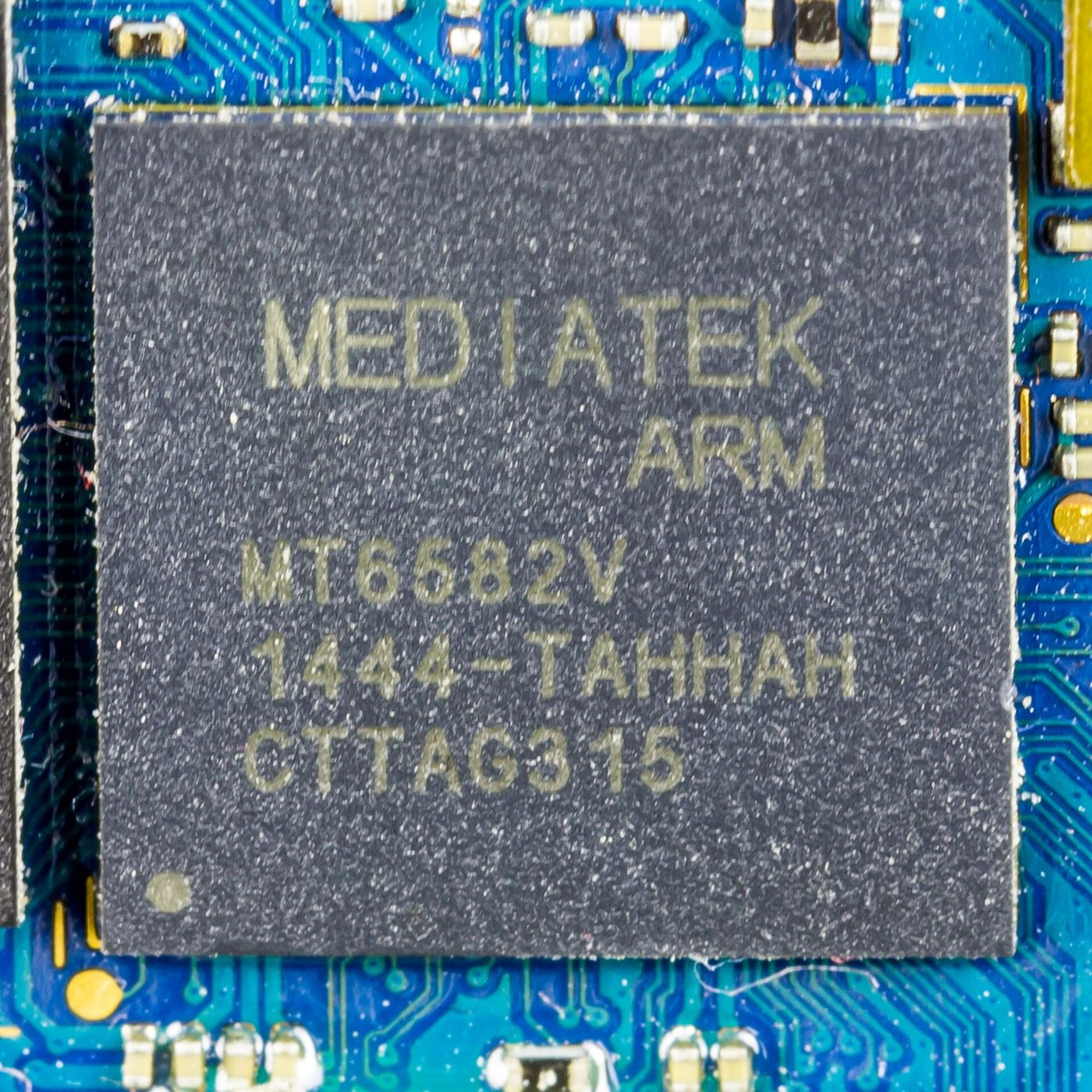

Smartphones already count steps and track workouts, but chip designers are now adding dedicated hardware blocks that process health signals continuously while keeping the underlying data on the phone itself. These specialised circuits handle inputs such as heart rhythm from a paired watch, breathing patterns detected during sleep and subtle changes in walking gait, using far less power than the main processor and waking it only when something meaningful changes. The privacy argument is central to the design: raw health signals are among the most sensitive data a person generates, so manufacturers are emphasising that analysis happens locally, with only summaries shared when a user explicitly allows it. Health researchers see potential in the consistency of the measurements, because a sensor that runs all day in the background can reveal gradual trends that occasional check-ups miss, such as a slowly rising resting heart rate or declining sleep regularity over several weeks of stress, illness or changed routines at home. Independent privacy audits will test whether those local processing promises hold up in everyday use.
What the Evidence Shows
Dedicated sensing hardware also changes what smaller app developers can do. Instead of building their own power-hungry signal processing, they can request high-level, permission-controlled measures such as estimated recovery or irregular rhythm alerts through standard interfaces, much as they already request location or camera access. That lowers the barrier for specialist tools aimed at rehabilitation, chronic condition management and athletic training. Clinicians remain cautious, warning that consumer measurements must be validated carefully and presented as prompts to seek advice rather than diagnoses, and regulators are examining how alerts should be worded. Chip makers say collaboration with medical researchers during design, rather than after launch, is becoming normal practice. If that continues, the next leap in phone health features may be less about new sensors strapped to the body and more about quiet, efficient hardware that makes sense of signals the phone and its accessories already collect every day. Standards bodies are now drafting common rules for how such alerts should be tested and labelled. Reporting and analysis from sources such as MIT Technology Review track the same developments, and specialists following the dedicated health sensing hardware say the direction is now consistent across independent lines of evidence.
The Wider Context
The wider context is an industry learning to ship capability and restraint together. Products built around the dedicated health sensing hardware now launch with safety evaluations, usage data and rollback plans as standard, because enterprise buyers and regulators ask for them in the first meeting. Companies that treated those questions as friction are discovering they have become the purchase criteria.
What Happens Next
What happens next for the dedicated health sensing hardware depends less on another breakthrough than on the unglamorous work of reliability, pricing and support. The buyers evaluating it now are not enthusiasts; they are operators with budgets and auditors, and their checklists will decide the timeline. On the evidence of the current pilots, the technology has earned the right to be judged by them. You can follow related developments in our coverage of technology.
There is a practical lesson in all of this for readers deciding what to do today. Start with the verified facts, be wary of anyone promising certainty, and prefer reversible steps while the evidence is still developing. Circumstances differ by country, income and personal situation, so general guidance should always be weighed against your own context before you act on it in any significant or lasting way.