
Opticians are urging adults who have postponed eye tests for several years to book an examination, warning that gradual changes in vision often go unnoticed until they affect driving, reading or screen work. An eye test does far more than check whether glasses are needed: it can reveal early signs of conditions such as glaucoma, cataracts and macular degeneration, and can sometimes flag wider health issues including high blood pressure and diabetes. Eye health professionals say people frequently adapt to slowly worsening sight without realising how much clarity they have lost, compensating by holding text further away or avoiding night driving. Regular examinations, typically every two years for most adults, allow prescriptions to be updated and problems to be monitored before they threaten sight. Certain groups are advised to attend more often, including people with a family history of glaucoma, those with diabetes and adults over sixty. Many employees are also entitled to employer funded eye tests when they use screens regularly, an entitlement that opticians say is widely underused. Booking is straightforward at high street practices, and most examinations take less than half an hour, making the appointment one of the simplest preventative health checks available to adults today.
What the Evidence Shows
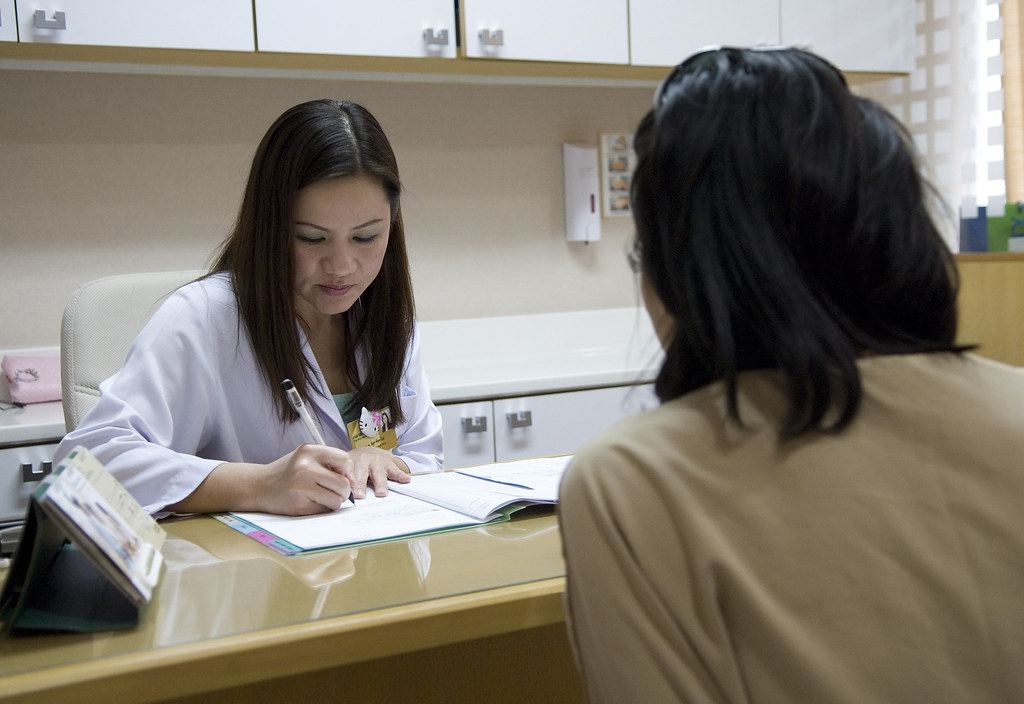
During the appointment, patients can expect questions about their general health, lifestyle and any symptoms such as headaches, blurred vision or difficulty with glare. Tests measure how clearly each eye sees, check the coordination between the eyes and examine the health of the retina and optic nerve, sometimes using photographs that can be compared at future visits. Opticians emphasise that children benefit from regular testing too, because uncorrected vision problems can affect learning and confidence at school. For adults who feel anxious about a first appointment in many years, practices say there is no judgement attached: staff would far rather detect a treatable problem late than not at all. Anyone experiencing sudden changes, such as flashes of light, a shadow across vision or rapid blurring, should seek urgent assessment rather than waiting for a routine slot. Sunglasses that block ultraviolet light and regular breaks from screens also support everyday eye comfort, though they do not replace professional examination. With sight so central to independence, work and safe driving, eye specialists argue that a routine test deserves the same priority as dental check ups in every adult’s calendar of basic personal healthcare. Reporting and analysis from sources such as National Institutes of Health track the same developments, and specialists following routine eye tests adults say the direction is now consistent across independent lines of evidence.
The Wider Context
The wider context is a health system trying to move from treating illness late to preventing it early, against budgets that reward the opposite. Evidence around routine eye tests adults is being weighed by guideline committees that ask two questions in order: does it work, and can ordinary services actually deliver it at scale. Many good ideas pass the first test and stall on the second.
What Happens Next
What happens next for routine eye tests adults depends on the slow machinery of guidelines, funding and training catching up with the evidence. Patients asking about it today should expect honest answers that include uncertainty, and clinicians say a service that explains what is not yet known earns more trust than one that oversells. The research pipeline, at least, is moving in the right direction. You can follow related developments in our coverage of health.
None of this will be settled by a single announcement, study or product launch. The pattern to watch is accumulation: independent confirmations, honest reporting of failures and steady improvement in the underlying numbers. Readers who follow those signals, rather than the loudest claim of the week, will understand this subject better than most of the commentary surrounding it suggests is possible.