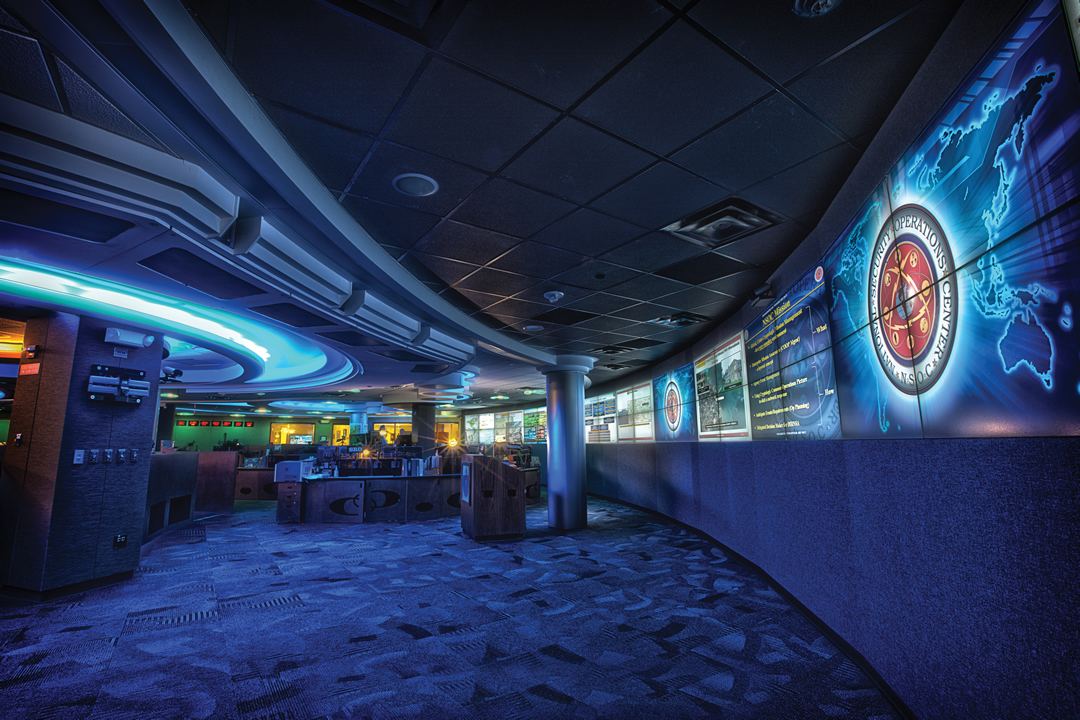

Fire drills transformed building safety by making evacuation routine before a real emergency, and cybersecurity teams are now borrowing the idea for ransomware. In live fire exercises, organisations deliberately isolate systems, declare a simulated attack and require staff to restore operations from backups while executives practise decisions about disclosure, customers and law enforcement. The point is not the simulated malware, which is harmless, but everything around it: who has authority to disconnect a factory, whether backup credentials still work, and how long the business can operate on paper. Facilitators say the first exercise at any organisation is reliably sobering. Contact lists prove outdated, backups turn out to exclude a critical database and the legal team’s phone number sits inside a system nobody can open. Teams that repeat the drills quarterly, however, cut their simulated recovery times dramatically and begin treating resilience as a measurable operational skill.
What the Evidence Shows
Insurers and regulators are reinforcing the trend by asking for evidence of tested recovery rather than paper policies. A plan that has never been rehearsed is increasingly treated as a hope rather than a control, and some cyber insurance renewals now require documented exercise results. The drills also expose an uncomfortable truth about backups: data that restores slowly, or restores without the configuration needed to use it, offers little protection against an attacker who simply waits for the ransom deadline. Experienced facilitators deliberately add complications as teams improve, from a compromised backup to a journalist calling before the company has confirmed the facts. Participants consistently rate communication, not technology, as the hardest element. The organisations improving fastest share their failures across departments, building a culture in which rehearsing disaster is understood as professionalism rather than pessimism, and in which the lessons are documented before the memory fades. Reporting and analysis from sources such as MIT Technology Review track the same developments, and specialists following ransomware recovery exercises for security teams say the direction is now consistent across independent lines of evidence.
The Wider Context
The wider context is an industry learning to ship capability and restraint together. Products built around ransomware recovery exercises for security teams now launch with safety evaluations, usage data and rollback plans as standard, because enterprise buyers and regulators ask for them in the first meeting. Companies that treated those questions as friction are discovering they have become the purchase criteria.
What Happens Next
What happens next for ransomware recovery exercises for security teams depends less on another breakthrough than on the unglamorous work of reliability, pricing and support. The buyers evaluating it now are not enthusiasts; they are operators with budgets and auditors, and their checklists will decide the timeline. On the evidence of the current pilots, the technology has earned the right to be judged by them. You can follow related developments in our coverage of technology.
There is a practical lesson in all of this for readers deciding what to do today. Start with the verified facts, be wary of anyone promising certainty, and prefer reversible steps while the evidence is still developing. Circumstances differ by country, income and personal situation, so general guidance should always be weighed against your own context before you act on it in any significant or lasting way.