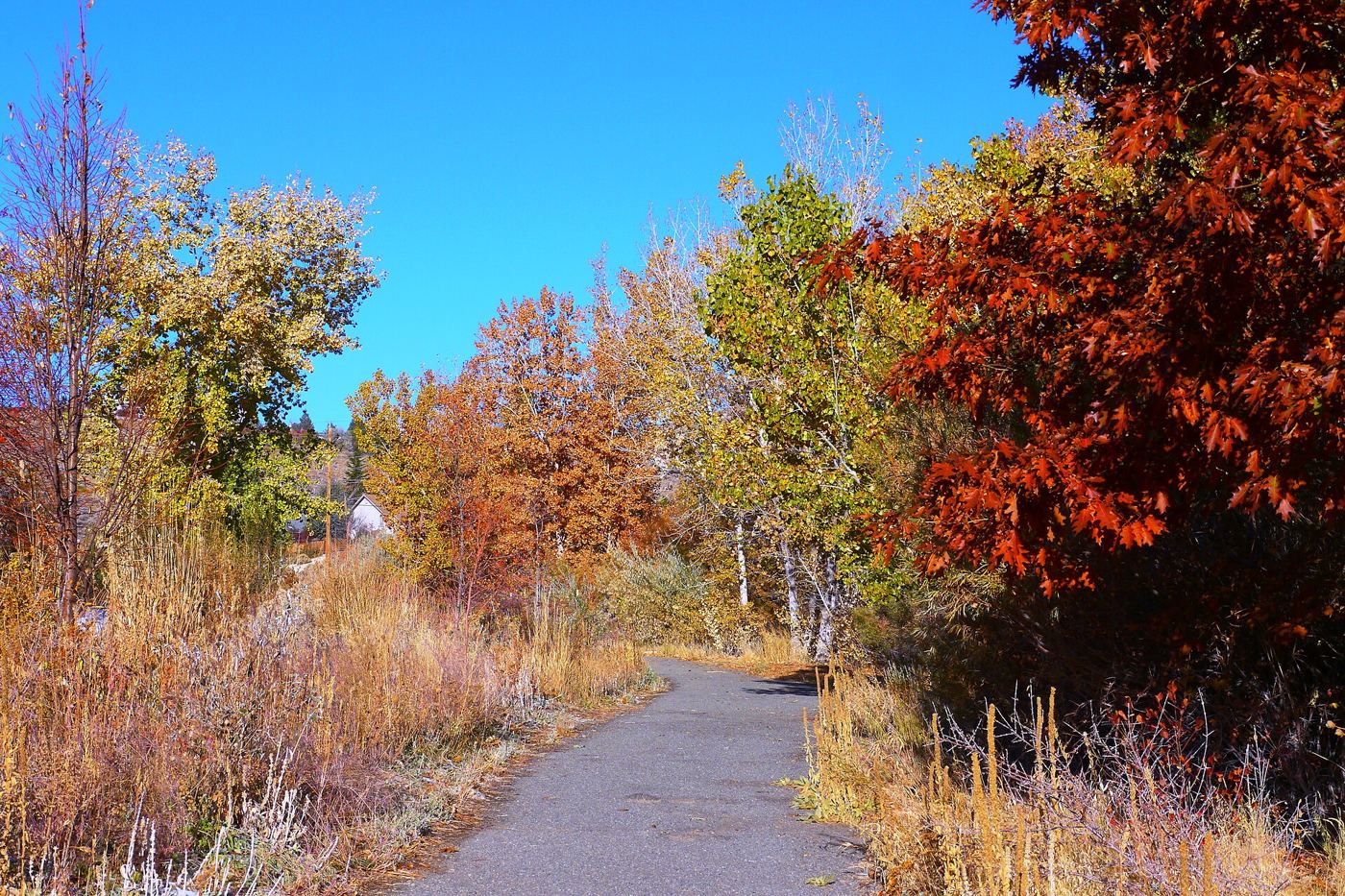

As days shorten, many people travel to work in the dark and return in the dark, spending the brightest hours indoors. A daylight walk, even for fifteen or twenty minutes at lunchtime, breaks that pattern and is widely associated in general wellbeing guidance with better energy, mood and sleep later that night. Natural light outdoors, even on a cloudy day, is far brighter than typical indoor lighting, and combining it with movement and fresh air gives the middle of the day a genuine reset. The walk does not need to be brisk or scenic to count. A loop around nearby streets, a park path or a trip to buy lunch on foot all provide the same basic ingredients. Dressing for the weather in advance, with shoes and a coat kept ready, removes the hesitation that keeps people at their desks. This article offers general wellbeing information only. Anyone who experiences persistent low mood, severe tiredness or major changes in sleep should speak to a clinician, as daylight walks are a support, not a treatment. For many people, however, protecting a short walk in natural light becomes the anchor that makes winter days feel far more manageable.
What the Evidence Shows
Workplaces can make the habit easier by treating a lunchtime walk as normal rather than indulgent. Walking meetings for two people, a standing invitation for colleagues to join a midday loop, or simply modelling the habit as a manager all shift the culture. At home, a morning or weekend daylight walk can serve the same purpose for people whose weekdays leave no gap. Families often combine it with an errand, a dog walk or a trip to a local shop, so the time feels used twice. Tracking need not be formal; many people simply notice that afternoons feel less heavy and evenings less restless after a week of regular daylight. On very wet days, a shorter walk still counts, and standing outside under cover for a few minutes is better than no daylight at all. The deeper point is timing. Light and movement taken during the day support alertness when it is wanted and sleepiness when it is needed, helping the whole daily rhythm hold together through the darkest weeks of the year. Reporting and analysis from sources such as World Health Organization track the same developments, and specialists following daylight walks winter mood say the direction is now consistent across independent lines of evidence.
The Wider Context
The wider context is a health system trying to move from treating illness late to preventing it early, against budgets that reward the opposite. Evidence around daylight walks winter mood is being weighed by guideline committees that ask two questions in order: does it work, and can ordinary services actually deliver it at scale. Many good ideas pass the first test and stall on the second.
What Happens Next
What happens next for daylight walks winter mood depends on the slow machinery of guidelines, funding and training catching up with the evidence. Patients asking about it today should expect honest answers that include uncertainty, and clinicians say a service that explains what is not yet known earns more trust than one that oversells. The research pipeline, at least, is moving in the right direction. You can follow related developments in our coverage of health.
There is a practical lesson in all of this for readers deciding what to do today. Start with the verified facts, be wary of anyone promising certainty, and prefer reversible steps while the evidence is still developing. Circumstances differ by country, income and personal situation, so general guidance should always be weighed against your own context before you act on it in any significant or lasting way.