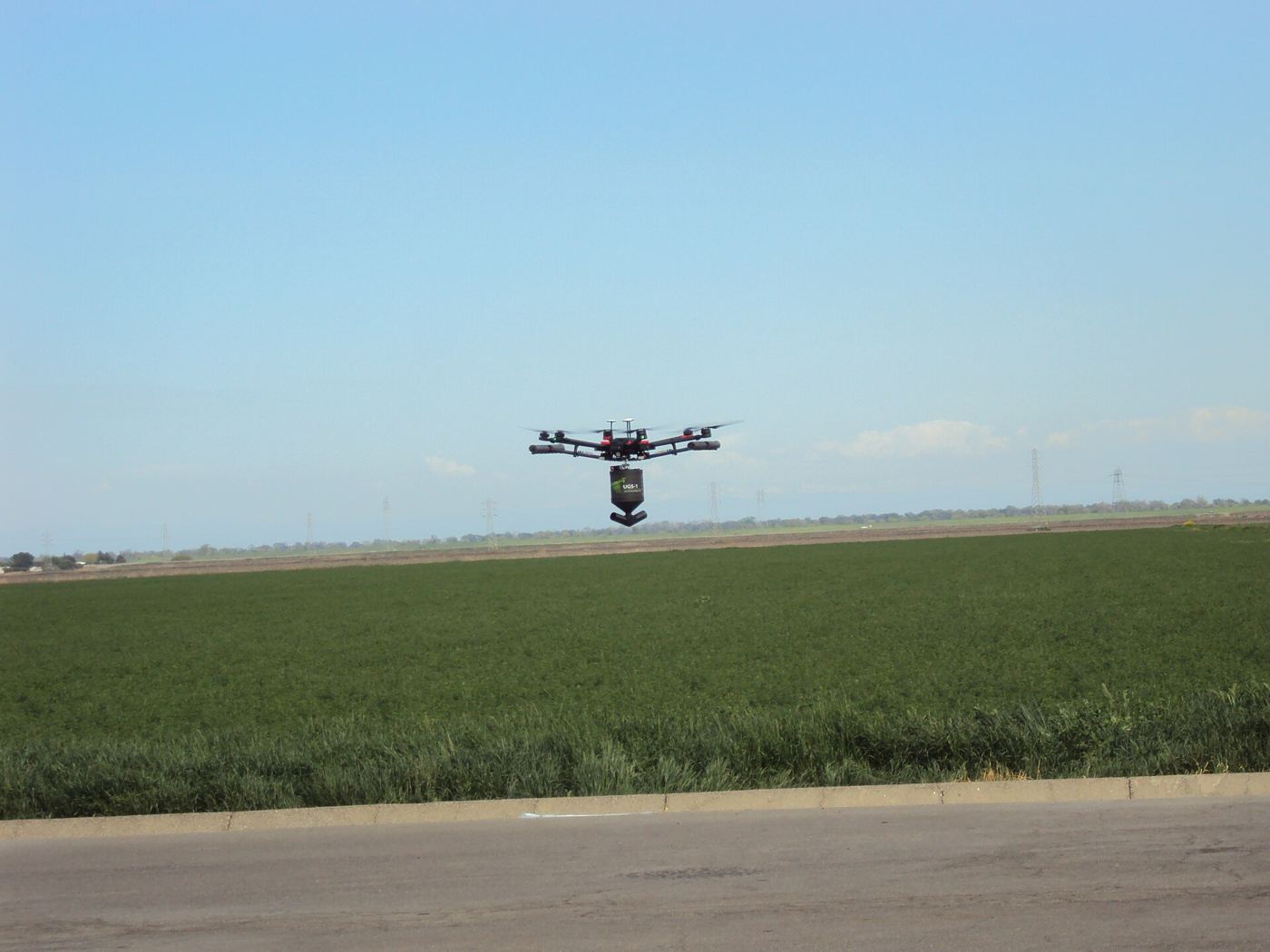

Spraying a whole field to treat a small patch of pests wastes chemicals and money, and it can harm the insects and soil that farmers want to protect. Agricultural drones offer a more precise alternative. Flying low over the crop, they use cameras and sensors to map exactly where pests or disease have appeared, then spray only those areas, dropping tiny amounts of treatment precisely onto the affected plants. A single drone can cover many hectares in a day, reaching steep or wet ground that a tractor cannot, and it can work at night when the wind is low and the spray stays where it is aimed. Farmers who have adopted the technology say it cuts chemical use and leaves more of the field untouched, which helps the soil and the beneficial insects that live in it. The drones are becoming a familiar sight over farms in several countries, particularly where labour is scarce.
What the Evidence Shows
The technology still faces practical limits. Drones can carry only a small tank, so they must return to refill frequently, and battery life restricts how long they can stay in the air. Operators need training and licences, and rules about flying over neighbouring land and near homes vary from country to country. Farmers also need to learn how to read the maps the drones produce, since the value of the technology lies as much in the information as in the spraying itself. Costs are falling as more manufacturers enter the market, and some farmers share a drone through a local cooperative rather than buying one outright. Researchers say the next step is drones that can identify individual weeds and remove them without chemicals at all. For now, the precise spray is already changing how many farms manage their crops. Reporting and analysis from sources such as MIT Technology Review track the same developments, and specialists following the precision crop-spraying drones say the direction is now consistent across independent lines of evidence.
The Wider Context
The wider context is an industry learning to ship capability and restraint together. Products built around the precision crop-spraying drones now launch with safety evaluations, usage data and rollback plans as standard, because enterprise buyers and regulators ask for them in the first meeting. Companies that treated those questions as friction are discovering they have become the purchase criteria.
What Happens Next
What happens next for the precision crop-spraying drones depends less on another breakthrough than on the unglamorous work of reliability, pricing and support. The buyers evaluating it now are not enthusiasts; they are operators with budgets and auditors, and their checklists will decide the timeline. On the evidence of the current pilots, the technology has earned the right to be judged by them. You can follow related developments in our coverage of technology.
There is a practical lesson in all of this for readers deciding what to do today. Start with the verified facts, be wary of anyone promising certainty, and prefer reversible steps while the evidence is still developing. Circumstances differ by country, income and personal situation, so general guidance should always be weighed against your own context before you act on it in any significant or lasting way.