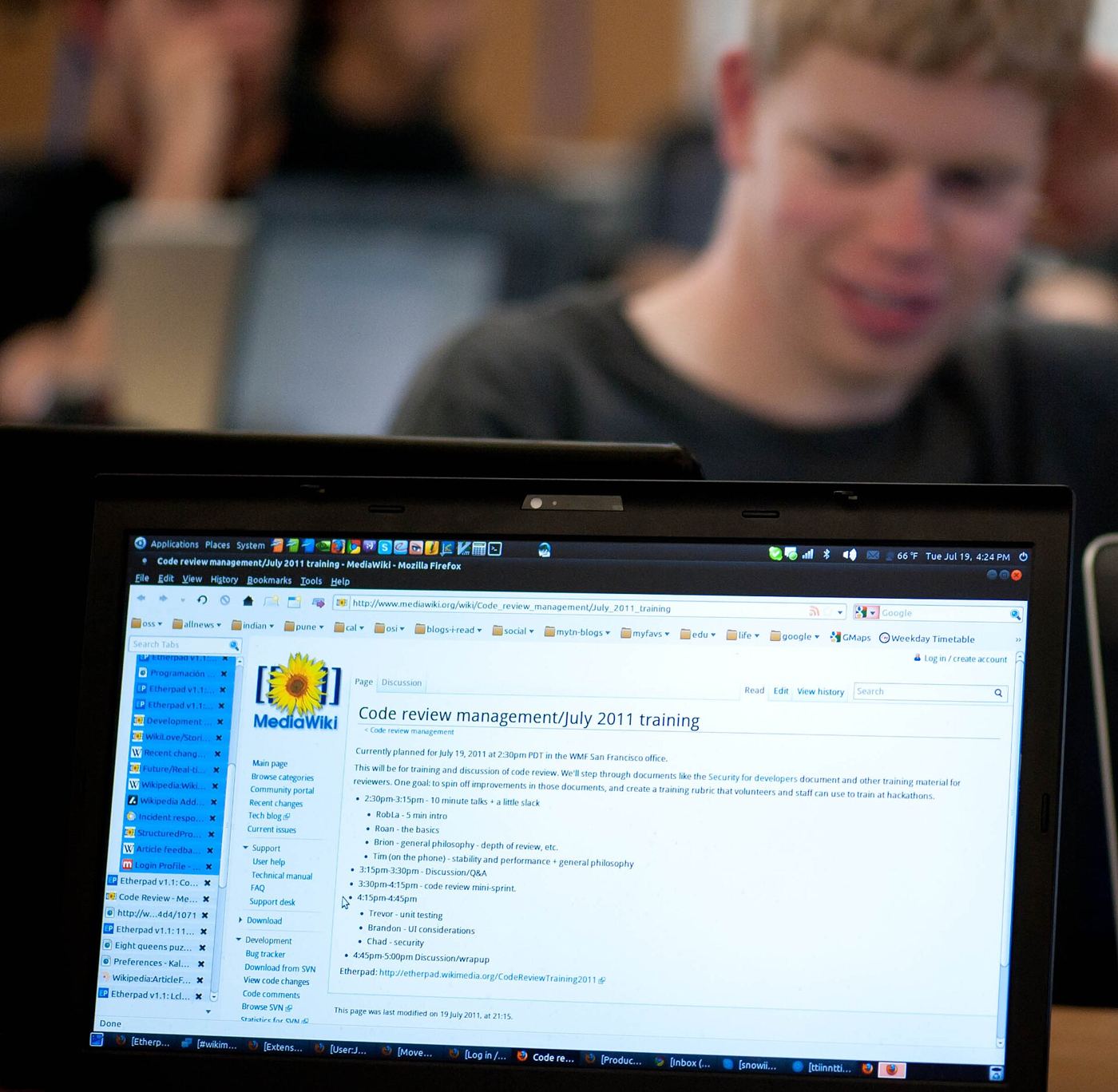

Open-source software powers much of the modern internet, from the servers that host websites to the tools developers use every day, yet it depends on volunteers who review and maintain the code in their spare time. Code review is the quiet work that keeps this system safe: experienced contributors read each proposed change line by line, checking for mistakes, security flaws and anything that could break existing features before it is accepted. The work is demanding and largely unpaid, and maintainers say the volume of contributions has grown faster than the number of reviewers, creating backlogs that delay useful improvements. Some projects are now using automated checks to catch the simplest errors first, so human reviewers can spend their time on the harder questions of design and security. Companies that rely on open-source software are increasingly paying staff to contribute reviews, recognising that the health of the shared code affects their own products.
What the Evidence Shows
The shortage of reviewers has real consequences, since a flawed change that slips through can affect thousands of businesses that use the software. Security researchers warn that attackers have learned to submit plausible-looking contributions that hide malicious code, making careful review more important than ever. Project leaders are responding with clearer guidelines for new contributors, mentoring schemes that train reviewers, and recognition for the people who do the unglamorous checking work. Some foundations now fund full-time maintainers for the most critical projects, arguing that infrastructure this important should not rest entirely on volunteers. For the developers who keep reviewing, the reward is a reputation within the community and the knowledge that their careful reading protects software used by millions. Some companies have started giving their engineers paid time each week to review open-source code, treating it as part of their job rather than a hobby done in the evenings. Reporting and analysis from sources such as MIT Technology Review track the same developments, and specialists following the open-source code review say the direction is now consistent across independent lines of evidence.
The Wider Context
The wider context is an industry learning to ship capability and restraint together. Products built around the open-source code review now launch with safety evaluations, usage data and rollback plans as standard, because enterprise buyers and regulators ask for them in the first meeting. Companies that treated those questions as friction are discovering they have become the purchase criteria.
What Happens Next
What happens next for the open-source code review depends less on another breakthrough than on the unglamorous work of reliability, pricing and support. The buyers evaluating it now are not enthusiasts; they are operators with budgets and auditors, and their checklists will decide the timeline. On the evidence of the current pilots, the technology has earned the right to be judged by them. You can follow related developments in our coverage of technology.
There is a practical lesson in all of this for readers deciding what to do today. Start with the verified facts, be wary of anyone promising certainty, and prefer reversible steps while the evidence is still developing. Circumstances differ by country, income and personal situation, so general guidance should always be weighed against your own context before you act on it in any significant or lasting way.