


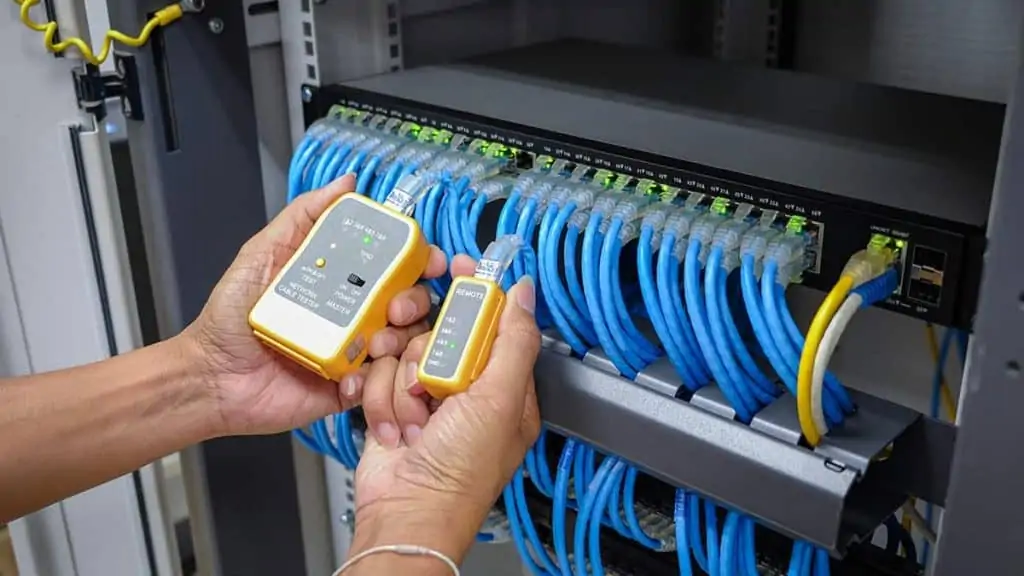
Structured cabling has become one of the most essential parts of today’s business infrastructure. As organizations continue to adopt advanced technologies, cloud systems, and high-speed communication tools, the need for a dependable cabling solution grows stronger. Structured cabling provides a unified and organized system that connects all devices, communication equipment, servers, and data centers under one reliable framework. Unlike random or point-to-point wiring, structured cabling uses a systematic approach that supports long-term performance, better data transfer, and easier management. In the digital age, businesses cannot afford slow connections, constant interruptions, or messy cables that make troubleshooting difficult. A structured design ensures everything remains efficient, clean, and ready to support future advancements without requiring a complete network overhaul.
How Structured Cabling Improves Network Stability and Performance
One of the biggest advantages of structured cabling is its ability to maintain consistent performance throughout the network. When cables are properly routed, separated, and labeled, the entire system becomes more reliable. Structured cabling minimizes interference, reduces signal degradation, and ensures data flows smoothly between devices. This makes it ideal for organizations that depend on high-speed internet, VoIP communication, video conferencing, and cloud applications. Poorly installed cables can cause slow data transfers, dropped connections, and unstable network behavior, all of which negatively impact productivity. With structured cabling, every connection is optimized to deliver maximum speed and quality. Because the system is designed in a uniform and organized manner, troubleshooting becomes easier, and network downtime is reduced. The result is a stable communication infrastructure that supports daily operations with minimal interruption and maximum efficiency.
The Role of Standards and Best Practices in Structured Cabling Design
Structured cabling systems rely on strict industry standards to ensure quality and long-term functionality. Standards like TIA/EIA guide installers on how cables should be laid out, spaced, and terminated to prevent network issues. Following these guidelines ensures compatibility with a wide range of devices and future technologies. When cabling is installed according to standards, it becomes more durable and less prone to interference. Professional installers use high-quality materials, proper shielding, and organized pathways to protect cables from damage and environmental factors. These standards also ensure that cables support high bandwidth and faster data speeds. Whether the business uses copper cabling or fiber optic solutions, proper adherence to guidelines ensures the network performs well even under heavy workloads. Standards-based structured cabling guarantees that the system will evolve along with the company’s growth and technological advancements, reducing the need for costly replacements.
Why Structured Cabling Outperforms Traditional Point-to-Point Wiring
Many older buildings still rely on traditional point-to-point wiring, where cables run directly from one device to another. This approach may seem simple, but it creates major problems as the network grows. Point-to-point wiring becomes messy, disorganized, and difficult to troubleshoot. It often leads to tangled cables, signal issues, and frequent outages. Structured cabling, on the other hand, follows a centralized and organized design that keeps everything neat and manageable. It uses patch panels, distribution points, and clear labeling to connect devices in an orderly manner. This makes it far easier to upgrade, expand, or repair the system. Structured cabling also improves airflow and reduces cable stress, which helps extend the lifespan of networking equipment. Businesses that shift from point-to-point to structured cabling immediately notice improvements in performance, organization, and long-term network reliability.
How Structured Cabling Enhances Scalability and Future Preparedness
Scalability is one of the most important features of a modern communication network, and structured cabling excels in this area. As businesses grow, they add more employees, devices, and digital tools, all of which rely on strong connectivity. A structured cabling system is designed to support expansion without disrupting the existing network. Its modular design makes it easy to add new workstations, servers, or advanced technology without requiring a complete network redesign. Because cables are neatly organized and documented, technicians can quickly expand or adjust the system as needed. This scalability makes structured cabling a smart long-term investment for organizations planning future growth. It ensures that the network remains efficient, stable, and ready for new innovations such as IoT devices, AI-driven systems, and advanced security technologies. With structured cabling, businesses can confidently embrace digital transformation knowing their infrastructure can handle the demands of tomorrow.
The Financial Benefits of Investing in Structured Cabling
While structured cabling requires an initial investment, it offers substantial financial benefits over time. A well-organized cabling system reduces maintenance costs, lowers the need for frequent repairs, and minimizes downtime. Businesses lose money every time the network slows down or stops working, especially in environments where digital communication is essential. Structured cabling reduces these risks by delivering consistent performance and stability. Because the system lasts longer and supports future upgrades, companies avoid costly overhauls and replacements. Structured cabling also improves energy efficiency by helping networking equipment operate more effectively. In the long run, businesses that invest in structured cabling achieve greater productivity, improved network performance, and lower operational expenses. This makes it one of the most cost-effective solutions for organizations that rely heavily on digital communication and data management.
Choosing the Right Professionals for Structured Cabling Installation
Structured cabling requires careful planning, precise installation, and strict adherence to industry standards. That’s why choosing the right professionals is crucial. Certified technicians understand how to design a layout that meets the needs of the building, the size of the network, and the future goals of the business. They use high-quality materials and advanced testing tools to ensure every connection performs at peak efficiency. Professional installation also ensures that cables are properly labeled, terminated, and documented for easy management. When businesses hire qualified experts, they gain a reliable infrastructure that functions smoothly and supports growth for years to come. Experienced professionals help prevent costly mistakes and create a structured cabling system that improves overall communication, performance, and operational efficiency. Choosing the right team ensures a network that remains strong, stable, and prepared for the future.
Conclusion
Structured cabling is one of the most important investments a modern business can make for its communication network. It provides stability, scalability, and long-term performance that traditional wiring methods simply cannot match. By organizing cables into a unified, standards-based system, businesses enjoy smoother operations, fewer disruptions, and a strong foundation for future growth. As digital technology continues to evolve, structured cabling ensures that companies can adapt and expand without worrying about connectivity issues. A well-designed system supports better performance, reduces costs, and prepares the organization for the advanced communication demands of tomorrow.



