

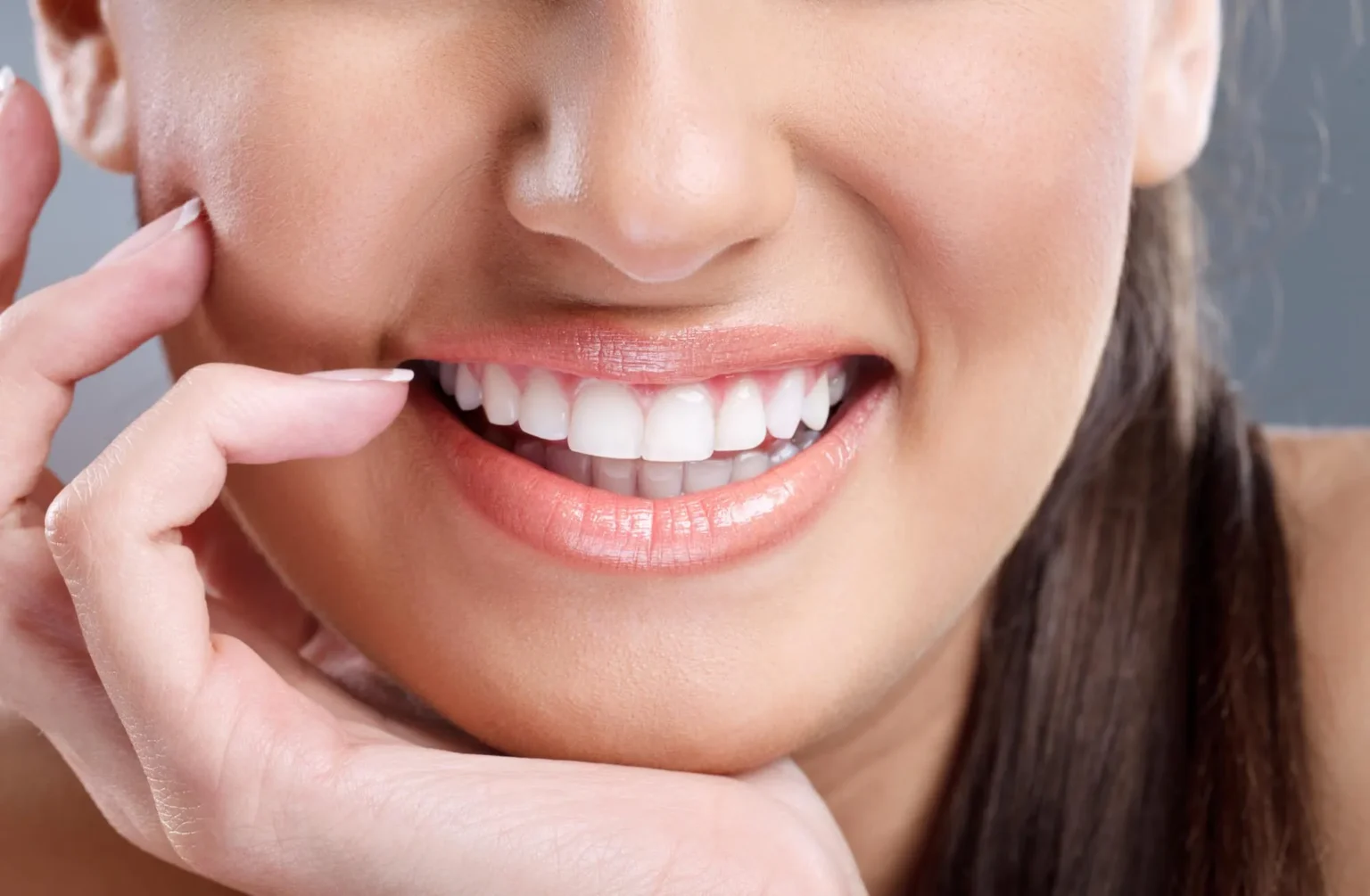

White, radiant teeth are often seen as key to maintaining an appealing smile. That’s why teeth whitening has become one of the most sought-after cosmetic dental treatments. If you’re thinking about whitening your teeth, you likely have questions about the process, its safety, and how it may affect you. It can be helpful to explore some commonly asked questions about teeth whitening to help you make an informed decision.
Is Teeth Whitening Safe?
Teeth whitening remains a safe option when done properly. Both in-office and take-home treatments focus on patient safety. Dental professionals precisely handle professional treatments, carefully applying whitening agents at safe concentrations. Over-the-counter whitening products may offer varied results, but improper use can cause tooth sensitivity or irritation. Consulting a dentist before starting any whitening treatment helps you choose the safest and most effective option.
What’s the Cost?
The cost of teeth whitening can vary depending on the treatment chosen. Professional in-office whitening is often seen as an investment, with its cost reflecting the speed and quality of the results. Depending on the dental practice and location, these treatments typically range from $300 to $600 per session.
Dentists offer take-home whitening kits that cost between $200 and $400. These kits include custom-fit trays and professional whitening agents, helping you see noticeable results at home. Over-the-counter options, like strips, gels, or trays, cost less, usually ranging from $20 to $100. While they save money, they often take longer or work less effectively than professional methods. Focus on balancing cost and results to find the best whitening solution for your budget.
How Do You Manage Sensitivity?
Tooth sensitivity is a concern for many individuals looking into teeth whitening. Whitening agents break down surface and subsurface stains, temporarily exposing the soft dentin layer beneath the enamel. This may result in sensitivity to hot or cold temperatures during or after treatment.
If you have a history of tooth sensitivity, you can take steps to minimize discomfort. Using desensitizing toothpaste or a fluoride rinse in the weeks following your treatment can help strengthen enamel. Many dentists also offer whitening formulas designed for individuals with sensitive teeth, allowing for a more comfortable experience. Post-treatment, avoiding overly hot or cold foods and beverages for a few days is helpful. Sensitivity usually subsides quickly, but you can always discuss additional options or concerns with your dentist.
How Can You Maintain White Teeth?
Maintaining whitened teeth requires some ongoing care and attention to daily habits. Avoiding foods and beverages likely to stain teeth, such as coffee, tea, red wine, and highly pigmented sauces, can significantly prolong the effects of whitening. If you consume these items, rinsing your mouth with water immediately afterward can help reduce residual staining.
Good oral hygiene practices play a role as well. Brushing and flossing regularly helps prevent plaque buildup that can dull your teeth’s appearance. Visiting your dentist for routine cleanings and discussing touch-up treatments can further maintain your bright smile. Quitting smoking or tobacco use can significantly slow down discoloration.
Take the Next Step
Teeth whitening is a popular cosmetic solution for enhancing the appearance of your smile. Understanding the answers to common questions about safety, cost, and sensitivity can help you determine if it’s the right choice for you. Once you’ve looked into your options, consulting with a professional dentist allows you to receive a personalized treatment plan that aligns with your goals. If you’re ready to brighten your smile, contact your local dental professional today to learn more about their whitening treatments and take the first step toward achieving your best smile.



