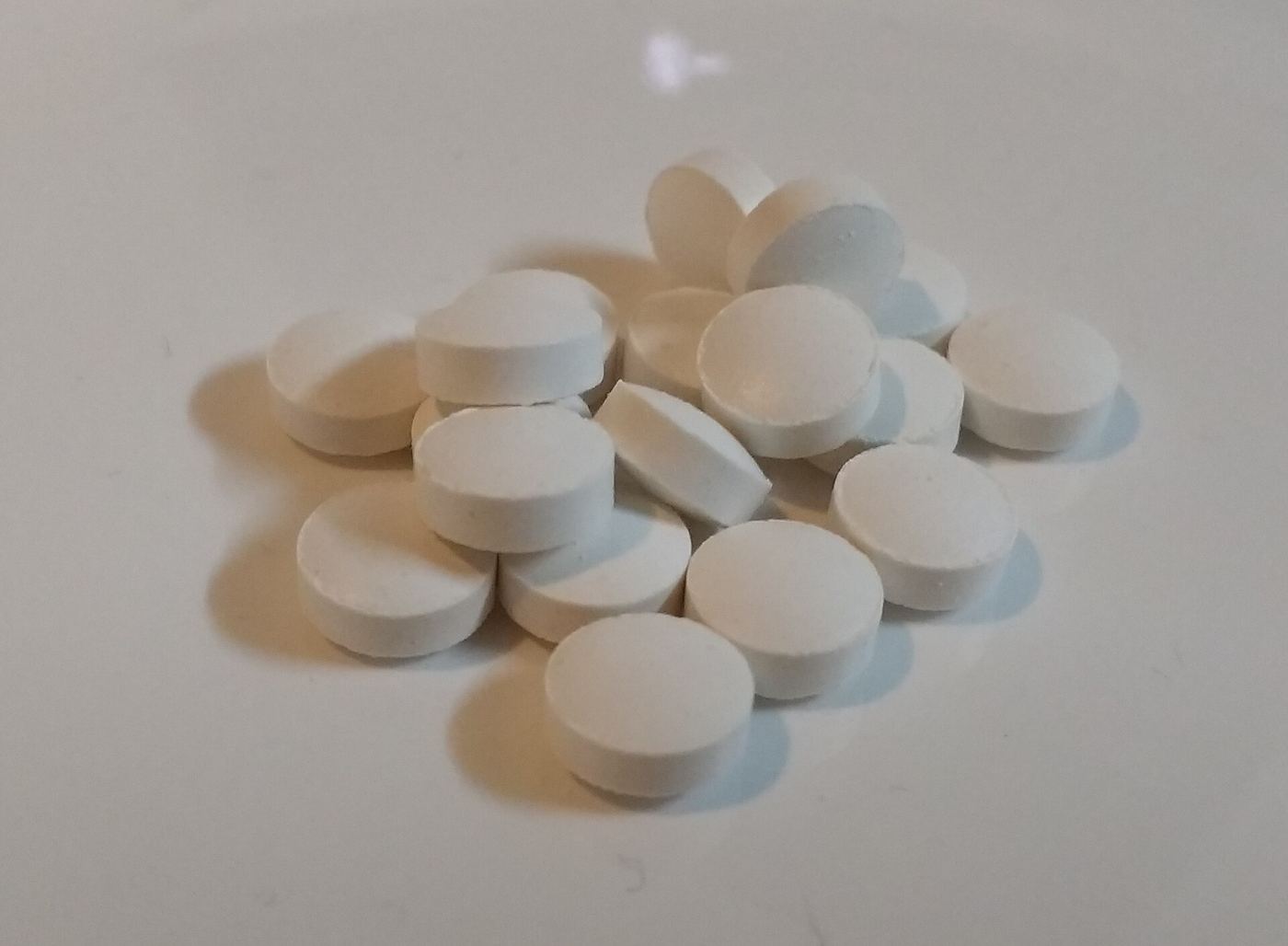

As the days shorten and the sun sits low in the sky, health services are once again reminding people to think about vitamin D. The vitamin helps the body regulate calcium and phosphate, which are needed to maintain healthy bones, teeth and muscles, and most of it is made in the skin when sunlight reaches it. Between October and early March, however, sunlight in Britain is too weak for the body to make enough, so the NHS advises everyone, including pregnant and breastfeeding women, to consider a daily supplement containing 10 micrograms, or 400 international units, during autumn and winter. People with darker skin, those who spend little time outdoors, and people who usually cover most of their skin should consider taking a supplement all year round. Food sources such as oily fish, egg yolks and red meat help, but it is difficult to get enough from diet alone.
What the Evidence Shows
Taking a supplement is straightforward, but the dose matters. The NHS advises adults not to take more than 100 micrograms, or 4,000 international units, a day, because too much over a long time can raise calcium levels and harm the bones, kidneys and heart. Anyone who already takes a supplement containing vitamin D should check the total before adding another product, and people taking other medicines or with a health condition should ask a pharmacist or doctor first. It is also worth remembering that a supplement is not a cure for tiredness or low mood, and it should not be presented as a treatment for seasonal affective disorder. The simplest routine is a single daily tablet through the darker months, alongside a balanced diet and time outdoors in daylight whenever possible. Reporting and analysis from sources such as National Institutes of Health track the same developments, and specialists following vitamin D in winter say the direction is now consistent across independent lines of evidence.
The Wider Context
The wider context is a health system trying to move from treating illness late to preventing it early, against budgets that reward the opposite. Evidence around vitamin D in winter is being weighed by guideline committees that ask two questions in order: does it work, and can ordinary services actually deliver it at scale. Many good ideas pass the first test and stall on the second.
What Happens Next
What happens next for vitamin D in winter depends on the slow machinery of guidelines, funding and training catching up with the evidence. Patients asking about it today should expect honest answers that include uncertainty, and clinicians say a service that explains what is not yet known earns more trust than one that oversells. The research pipeline, at least, is moving in the right direction. You can follow related developments in our coverage of health.
None of this will be settled by a single announcement, study or product launch. The pattern to watch is accumulation: independent confirmations, honest reporting of failures and steady improvement in the underlying numbers. Readers who follow those signals, rather than the loudest claim of the week, will understand this subject better than most of the commentary surrounding it suggests is possible.